Government
Wisconsin Elections Commission: Election ran smoothly despite minor issues
By Katherine Langford
Advertisement · Why this ad?
Marcus manages the day-to-day editorial workflow across all brands, coordinating coverage assignments and ensuring editorial standards are met. He previously served as city editor at the Pioneer Press and holds a degree in Political Science from Carleton College.
More from Marcus →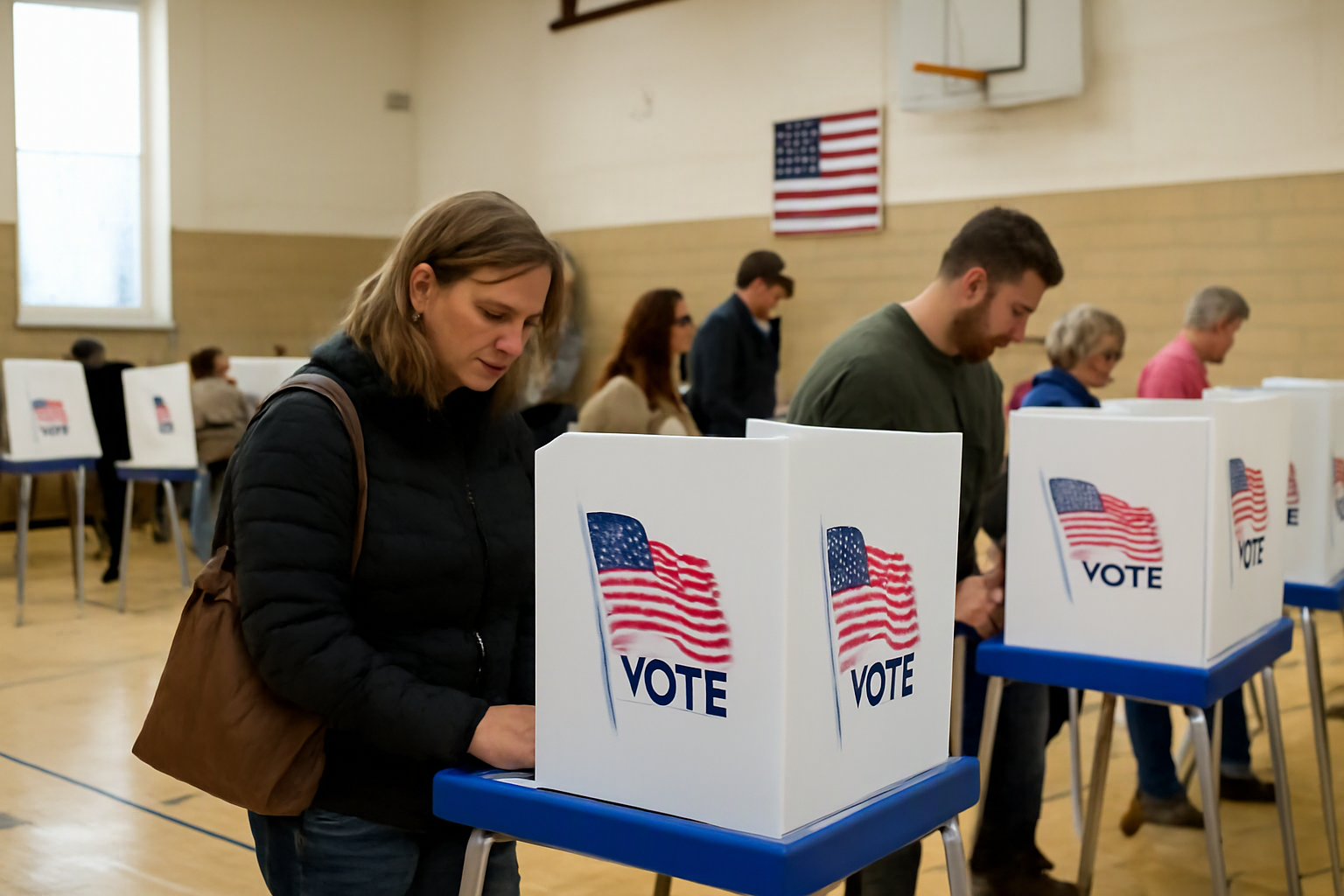
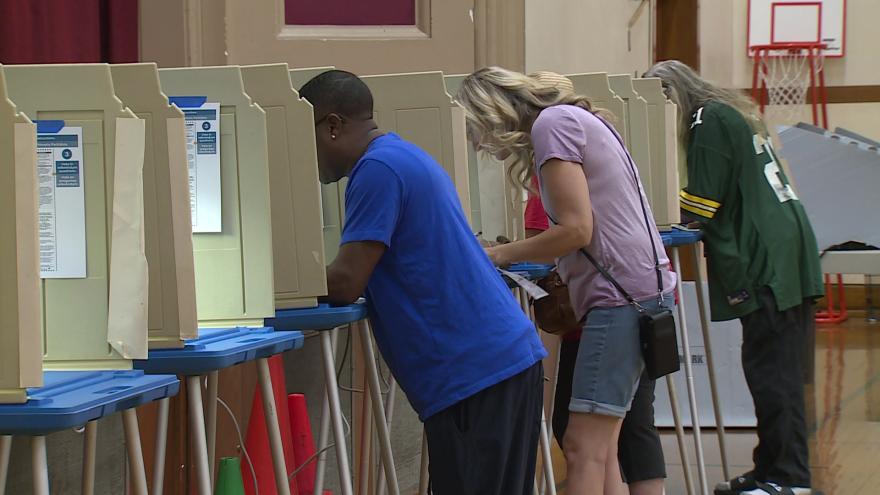
On a chilly Tuesday evening in Brookfield, a concerned group of residents gathered in the community center, their faces illuminated by the warm glow of overhead lights. They discussed the fate of public safety in their city, aware that their votes would shape the future of local policing and emergency services. When the results came in, the mood shifted from hope to disappointment as voters rejected crucial referendums aimed at bolstering police and fire staffing.
In a wave of recent elections across Wisconsin, voters in several municipalities, including Brookfield, turned down public safety referendums designed to increase funding for police and fire services. Specifically, referendums in Muskego, New Berlin, and Plymouth all failed to garner the necessary support from voters. The proposed measures would have raised annual property tax levies to hire more police officers and firefighters, a move that local leaders argued was essential for maintaining community safety.
The Muskego referendum sought to raise $5.9 million to fund 16 full-time and 36 part-time fire department positions, along with five additional police officers and a dispatcher. However, only 35.6 percent of voters supported the plan. Similarly, New Berlin's request for a $3.12 million increase to fund 12 firefighter and paramedic positions, three police officers, and a crisis worker was met with resistance, as 56.2 percent voted against it.
Plymouth's referendum, which aimed to increase the property tax levy by $600,000 to add three police officers and acquire two additional squad cars, was narrowly rejected with just over 51 percent voting it down. These outcomes highlight a growing trend in Wisconsin, where local governments are struggling to secure funding for essential services amid rising costs.
The implications of these failed referendums are significant for the communities involved. In Plymouth, Police Chief Ken Ruggles expressed concern over the department's stagnant staffing levels, which have remained unchanged since 1997 despite population growth. Ruggles stated, "We’re still seeing growth, and unfortunately, we’re not seeing growth in the police department to keep up with that." His frustration reflects a broader issue faced by many municipalities where public safety staffing is not keeping pace with community needs.
In Muskego, Mayor Rick Petfalski pointed out that the city relies on the Tess Corners Volunteer Fire Department, which has struggled to maintain adequate staffing levels. The proposed referendum would have allowed Muskego to supplement this volunteer force, addressing the increasing number of calls for service the police department has been receiving. Petfalski noted, "We’re starting to have to be more of a reactive police department, and that’s not a good way of maintaining the low crime rates that we currently enjoy." His comments underscore the potential risk to public safety as communities grapple with budget constraints.
The rejection of these referendums raises questions about voter sentiment toward public safety funding. Residents in these communities may be feeling the pinch of rising property taxes and are hesitant to approve increases without clear assurances of improved services. Petfalski acknowledged the feedback from voters, stating, "It was clear that the voters did not like the plan that we put forward, and that’s good feedback." This sentiment reflects a broader trend where local governments must balance the need for funding with the financial realities faced by residents.
Emily McFarland, Executive Director of the League of Wisconsin Municipalities, commented on the results, emphasizing the growing costs municipalities face for public safety services. "These results underscore the need for new solutions to sustainably fund local government services," she said. As communities like Muskego and New Berlin continue to face funding challenges, it remains to be seen how they will adapt to meet the needs of their residents.
While many municipalities faced setbacks in their referendum efforts, not all communities experienced the same fate. In Hudson, both the town and city voters approved referendums to enhance funding for additional firefighters for the Hudson Fire Department. This contrast highlights a critical divide in public opinion regarding the funding of essential services. The differing outcomes suggest that some communities may prioritize public safety funding more than others, depending on local circumstances and perceptions.
The results from Hudson serve as a reminder that public safety is a multifaceted issue, one that requires ongoing dialogue between residents and local leaders. As cities like Brookfield and Muskego reflect on the recent referendum outcomes, they may need to explore alternative funding mechanisms or community engagement strategies to ensure that public safety remains a priority.
As municipalities across Wisconsin grapple with the implications of these failed referendums, local leaders are tasked with reevaluating their strategies for funding public safety. In Plymouth, Chief Ruggles indicated that the department would need to explore creative solutions to address staffing challenges. "We’ll have to go back to the drawing board at this point and try to figure some things out," he said.
In New Berlin, city officials have stated they will continue to evaluate funding options to address police and fire staffing needs. The ongoing discussions surrounding public safety funding are crucial as communities seek to balance fiscal responsibility with the necessity of maintaining secure environments for residents.
Ultimately, the conversation surrounding public safety funding in Brookfield and beyond will require collaboration and transparency between local governments and the communities they serve. As residents voice their concerns and priorities, it is essential for leaders to listen and adapt to ensure that public safety remains a cornerstone of community well-being.
Residents looking to engage further in discussions about public safety funding can access various resources. The City of Brookfield website provides updates on city initiatives and budget proposals. Additionally, the New Berlin city page offers insights into local government decisions and opportunities for public input.
For those interested in understanding the broader context of municipal funding in Wisconsin, the League of Wisconsin Municipalities is an excellent resource for information on local governance and funding challenges. Engaging with these platforms can empower residents to advocate for their community's needs and influence future funding decisions.
As Brookfield and other municipalities continue to navigate the complexities of public safety funding, community involvement will be vital. Residents are encouraged to participate in local meetings, voice their opinions, and stay informed about the issues that affect their safety and well-being.
The recent election outcomes serve as a pivotal moment for Brookfield and surrounding communities. As they look ahead, it is essential to foster a collaborative environment where public safety remains a shared priority. By working together, residents and local leaders can create a safer future for all.
By Katherine Langford
By Marcus Chen
By Marcus Chen
By Katherine Langford