Technology
North Korea's Kim calls for rapid expansion of drone technology and observes weapons tests
By Katherine Langford
Advertisement · Why this ad?
Katherine oversees editorial operations across all six brands. Before joining The Meridan Group, she spent 14 years at the Minneapolis Star Tribune, where she led the metro desk through its digital transformation. She holds a Master's in Journalism from Northwestern's Medill School.
More from Katherine →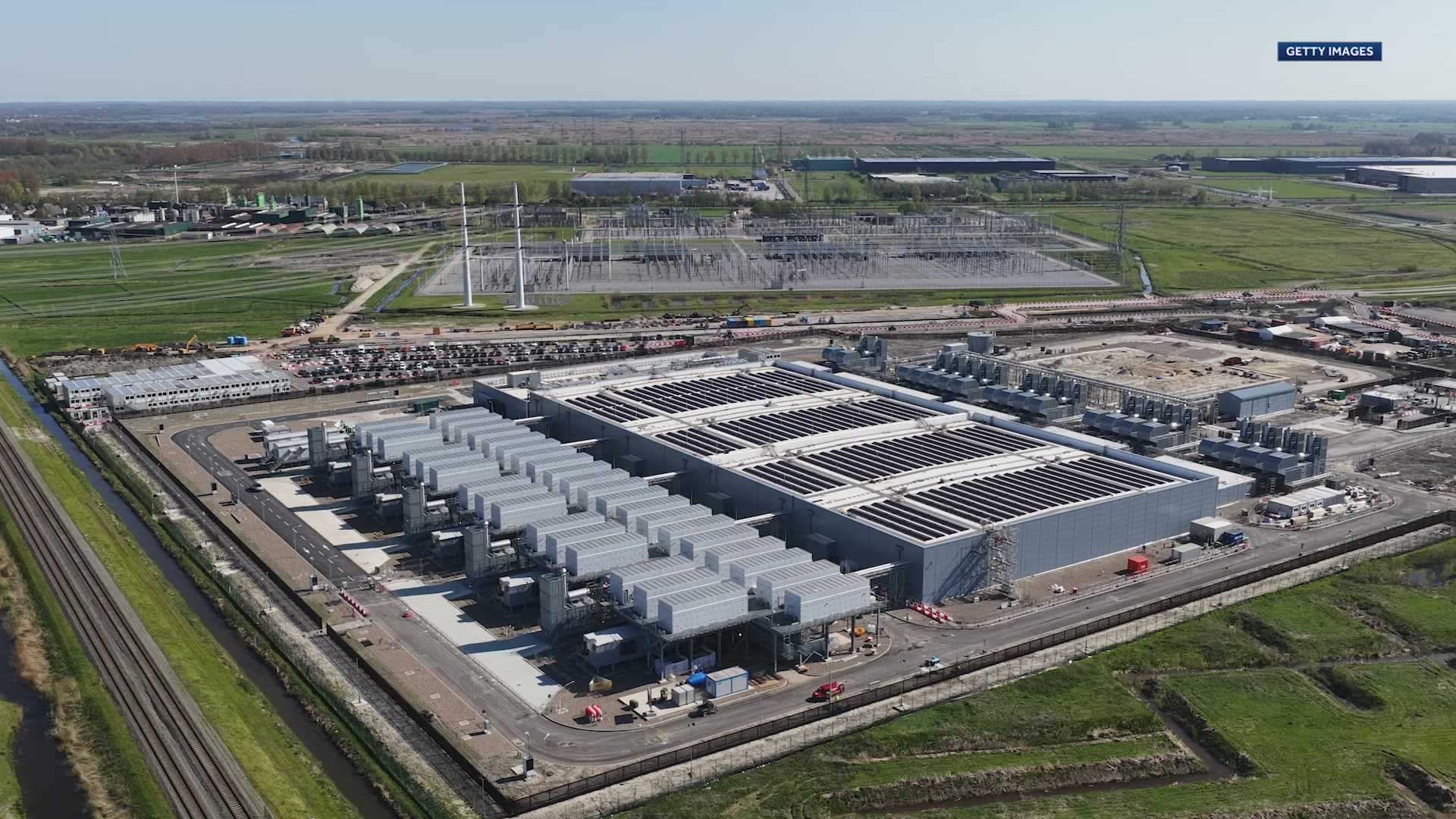
As the sun rises over Brookfield on a crisp autumn morning, residents gather at their local coffee shops, discussing the upcoming midterm elections. Among the topics sparking passionate debates is the contentious issue of data centers—large facilities that house computer systems and associated components. With the 2026 midterms approaching, these ballot measures are poised to significantly impact the community, both economically and socially.
On Election Day, voters across the nation will confront a series of ballot measures related to the establishment and regulation of data centers. These facilities, which support the backbone of our digital economy, have emerged as a focal point in the political landscape, particularly in Brookfield, where local leaders are tasked with balancing economic growth against community concerns.
The debate surrounding data centers is not merely about technology but reflects broader issues of urban development, environmental sustainability, and the future of work. As Brookfield prepares for the 2026 midterms, the implications of these measures could shape the community’s identity for years to come.
In Brookfield, the conversation is particularly urgent. Local officials are grappling with how to attract high-tech businesses while ensuring that the community's values and quality of life are preserved. Residents have expressed a mix of enthusiasm for potential job creation and apprehension about the environmental impact of these facilities.
As discussions unfold, community concerns are at the forefront. Many residents worry about the environmental footprint of data centers, which require significant energy resources and can contribute to local heat and pollution levels. The Brookfield City Council has received numerous letters from constituents urging caution in approving new data centers without thorough environmental assessments.
“We want to be a progressive community, but we also want to protect our environment and our way of life,” said local resident Jane Thompson, a mother of three who has lived in Brookfield for over a decade. “It’s not just about jobs; it’s about the kind of future we want for our children.”
Concerns are not limited to environmental issues but also extend to the potential strain on local infrastructure. Residents like Tom Ramirez, who runs a small landscaping business, worry that increased traffic and demand for services could overwhelm Brookfield’s roads and public amenities. “We already deal with congestion during peak hours,” he said. “What happens when we add hundreds of workers commuting to these data centers?”
Despite these concerns, proponents argue that data centers can bring substantial economic benefits to Brookfield. These facilities often create high-paying jobs and can stimulate local economies through increased demand for services and infrastructure improvements. According to a report by the Brookfield Chamber of Commerce, a new data center could generate millions in tax revenue, which could be reinvested into community projects, schools, and public services.
“We have a unique opportunity to position Brookfield as a tech hub,” said Chamber President Mark Johnson. “By embracing data centers, we can attract more businesses and create a vibrant economic landscape that benefits everyone.”
Local businesses are already beginning to see the potential ripple effects of this growth. For instance, local construction companies could see a surge in demand for building and renovation projects related to new facilities. “If we get a data center, it could mean more contracts for us,” said Sarah Lee, owner of Brookfield Builders. “That’s jobs for my team and more local spending.”
However, the challenge lies in ensuring that this growth is sustainable and aligns with the community’s values. As the midterms approach, candidates are being pressed to articulate their positions on data centers and how they plan to address the concerns of their constituents.
The political landscape surrounding the 2026 midterms is shaping up to be as complex as the technology itself. Candidates from various parties are positioning themselves on either side of the data center debate, with some advocating for aggressive development strategies while others call for a more cautious approach.
In Brookfield, local leaders have begun to host town hall meetings to engage residents in discussions about the implications of data centers. These meetings have become a platform for residents to voice their concerns and for candidates to outline their visions for the future. The outcome of these discussions could very well influence voter turnout and decision-making come Election Day.
One prominent figure in the debate is Mayor Lisa Roberts, who has been vocal about the need for careful consideration of both the benefits and risks associated with data centers. “It’s not just about saying yes or no to development; it’s about finding the right balance,” she stated during a recent town hall meeting. “I want Brookfield to thrive, but I also want to ensure that we do it responsibly.”
Community engagement is critical in this evolving debate. Organizations such as the Brookfield Community Foundation are working to facilitate discussions between residents and local officials. They aim to educate the public on the benefits and drawbacks of data centers, ensuring that voters have the information they need to make informed choices.
“We believe that an informed community is an empowered community,” said Emily Carter, Executive Director of the Brookfield Community Foundation. “Our goal is to create a space where residents can share their thoughts and concerns openly.”
As the midterms draw closer, the foundation is ramping up its efforts, hosting forums and distributing informational materials to help residents navigate the complexities of the data center debate. These initiatives are crucial in fostering a sense of community ownership over the decision-making process.
Moreover, local schools are getting involved as well. Brookfield High School’s debate team is preparing to host a public forum where students will present research on the impacts of data centers. “We want to engage the younger generation in these important discussions,” said debate coach Mark Fletcher. “They will be the ones living with the consequences of today’s decisions.”
As Brookfield approaches the 2026 midterms, the data center conversation is likely to intensify. Candidates will need to address not only the economic implications but also the social and environmental concerns that are shaping public opinion. The decisions made in the coming months will have lasting effects on the community’s landscape, economy, and quality of life.
Residents are urged to stay engaged and informed as Election Day approaches. The outcome of the data center-related ballot measures could redefine Brookfield’s trajectory, making it essential for voters to understand the stakes involved.
Ultimately, the midterms will serve as a litmus test for how Brookfield balances its ambitions for growth with the values that define its community. As residents prepare to cast their votes, the hope is that the decisions made will reflect a commitment to both progress and preservation, ensuring a bright future for generations to come.
By Katherine Langford
By Marcus Chen
By Katherine Langford
By Marcus Chen